Gas Appliance Installation Swansea
Gas appliance installation in Swansea covers cooktops, ovens, BBQs, pool heaters and bayonet points, fitted, tested and certified by licensed gas fitters. The plumber in Swansea you book quotes the full job up front, and the price you agree to is the price you pay. Call (02) 4093 0558 or fill in the form to set a time.
Licensed plumbers and gas fitters · NSW Lic. 359278C
Last updated September 2026
Which Gas Appliances Do We Fit?
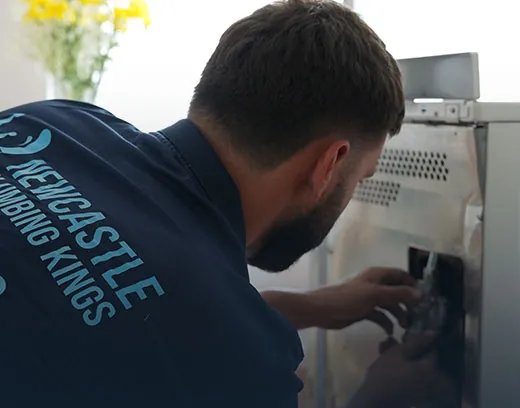
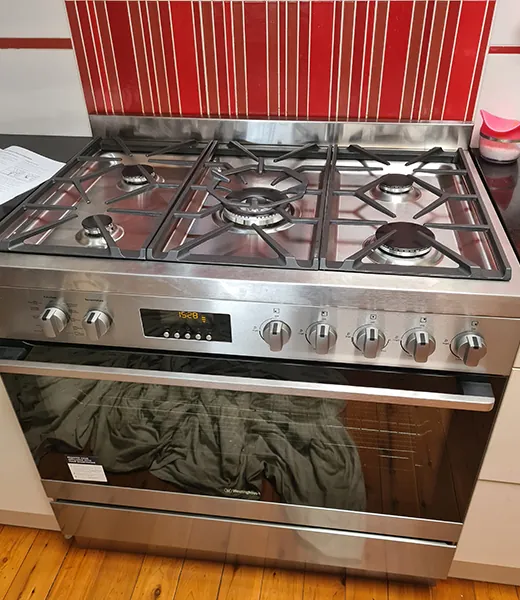
The appliances we connect, each finished with a test and a certificate:
- Cooktops and ovens, including swaps from old freestanding units in mid-century cottages
- Outdoor BBQs and their dedicated line runs
- Pool and spa heaters, where the gas line has to reach the equipment without a tangle of joins
- Bayonet points for portable heaters, fitted where the heater will actually sit in winter
- New copper runs where an old line fails its pressure test and cannot be reused
Every one of those jobs ends with the appliance commissioned and the certificate in your hand.
Is the Old Line Safe to Connect To?
A new appliance is only as good as the line feeding it, and in an older home that pipe may be decades old. Before anything connects, the existing pipe gets a pressure test. That tells us whether the old copper is holding or weeping somewhere under the floor.
A failed test adds a repair. The worn section is quoted, replaced once you approve it, and tested again before the appliance goes on. Copper that has sat in salt air near the channel can look fine at the meter and still be thin behind a wall, so the check comes first.
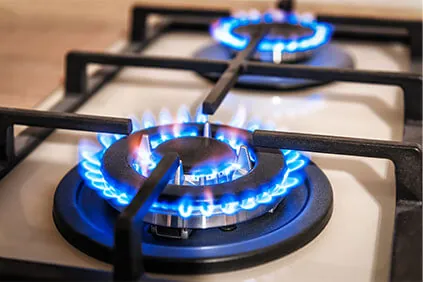
How an Install Runs
- 01
Check the line
Before unboxing anything, we put a gauge on the supply pipe to see if it holds.
- 02
Fit and connect
The appliance is set level, connected and anchored, with any new copper run cut to length and flared properly.
- 03
Test and commission
The whole line is tested again with the appliance connected, then the burner or element is lit, adjusted and signed off.
- 04
Certificate and cleanup
You get the compliance certificate and a workspace left as we found it.
What Goes Into the Quote?
We provide up-front, honest quotes that will always match the final price, should you decide to go ahead.
Four things shape the figure on a gas appliance install:
- The appliance itself and whether it sits on an existing line or needs a new run cut in
- How far new copper has to travel, since piping out to a BBQ on the back deck takes more copper than a cooktop above the old point
- Whether the old pipe passes its test or needs a new length
- Night or weekend timing, which is dearer and quoted as such
No dollar figure appears in the quote until you have seen the job, and nothing starts until you say yes to it.
Salt Air and Older Copper Near the Water
The coast ages gas hardware early. Swansea sits on the channel between lake and sea, and the salty breeze eats into metal pipe and fittings sooner on lots by the water. Regulators and bayonet fittings on outside walls take the brunt.
That matters for an install, because a shiny new cooktop connected to a tired line is a certificate waiting to fail. The town's housing runs from 1940s fibro and weatherboard cottages to later brick veneer, so the age of the pipe varies house to house. The pressure test shows which you have, and any new copper is in the quote before the old appliance comes out.
"We had an urgent gas problem that required immediate attention at our home…on a Friday afternoon. … Identified the issue, fixed and tested" Lee
When We're Not the Right Call
Some faults belong to the appliance maker. An appliance that lights but cooks unevenly can have a fault inside the unit itself, and that is a repair for the maker's technician, not a gas fitter.
For anything on the gas supply side, including suspected leaks, the gas leak detection and repair page covers how that job runs. The full range of gas work, from line upgrades to disconnections, sits on the gas fitting hub.
Questions From Swansea Kitchens
Do you install gas bayonet points for heaters in Swansea homes?
Yes. A bayonet point goes onto a tested line in a spot that clears curtains and furniture, then the heater plugs straight in. Near the water, the existing copper is checked first, because a pipe exposed to salt air may need a fresh length before a new connection goes on.
Can an old copper gas line in a Swansea cottage still carry a new cooktop?
It can, but only after a pressure test. Lines that have spent decades in coastal air can corrode where you cannot see them, so the old run gets checked before the new appliance connects. Where the test fails, the quote covers replacing the worn section, and you approve that figure before any work begins.
Is the appliance certified after installation?
Yes. Every gas appliance we install gets pressure tested, commissioned and certified before we pack up, and the paperwork is yours to keep. That certificate matters for insurance and for any future work on the line, so it is handed over on the day, not posted later.
Do you disconnect old gas appliances as well as install new ones?
We do. The old oven or heater gets capped off and the line tested before the new unit goes in, and both can go on the same booking. When a disconnection uncovers a fault further down the run, we stop and show you before any extra work is quoted.
Need a plumber? Call or send the form
Call (02) 4093 0558 or send the form below. Available 24/7, you see a fixed figure ahead of any work, and every job carries our 365-day warranty on all work.
Request a callback
Leave a name and number and a plumber will ring you back.